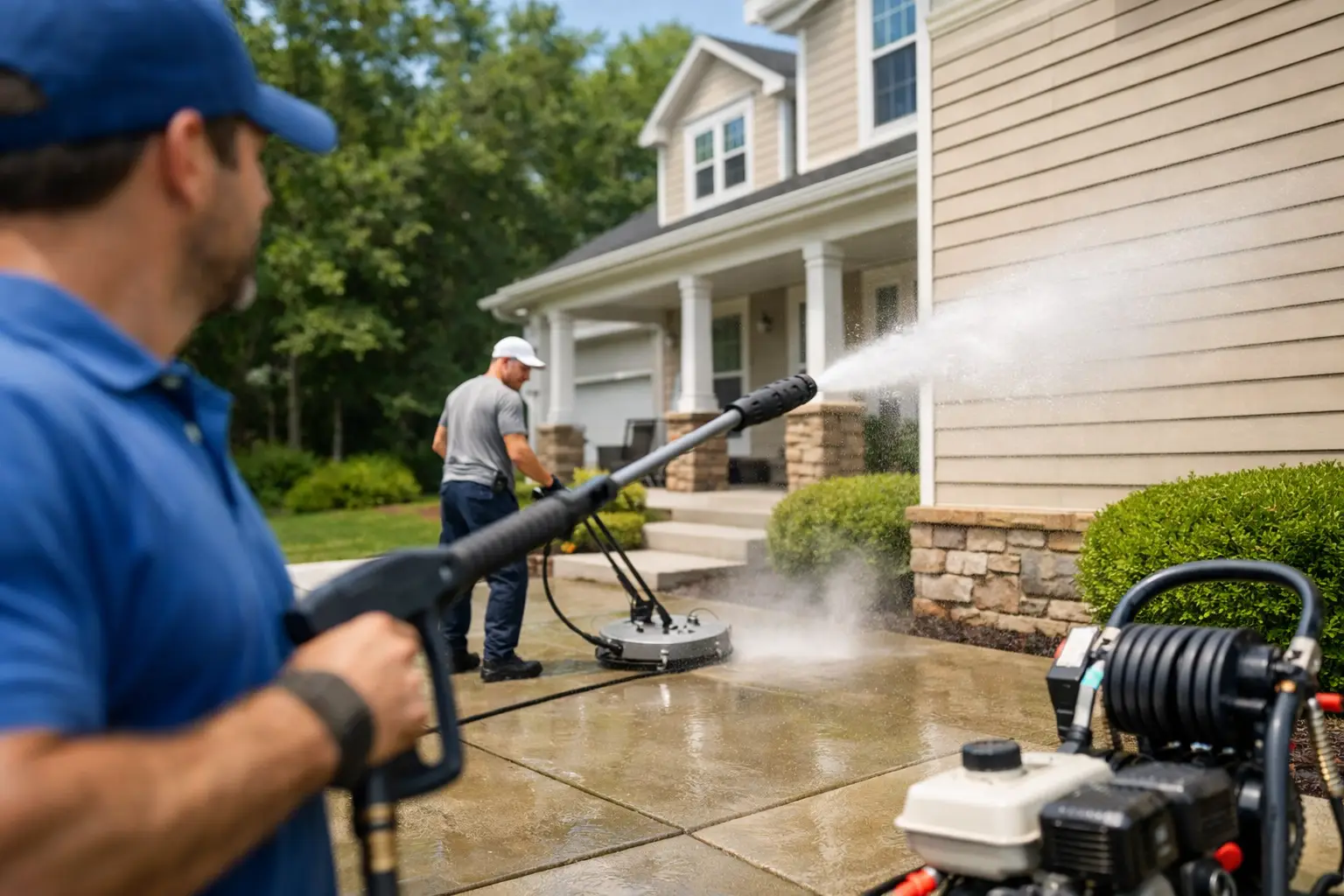
What Is Residential Pressure Washing?
That green film creeping up the north side of your house is not just an eyesore. It is usually a mix of dirt, algae, mildew, and grime that settles into exterior surfaces over time. If you have been wondering what is residential pressure washing, the simple answer is this: it is a professional exterior cleaning method that uses pressurized water, and sometimes specialized cleaning solutions, to remove buildup from the outside of your home.
For homeowners, the appeal is pretty straightforward. A clean exterior looks better, lasts longer, and helps you stay ahead of the kind of buildup that can stain or wear down surfaces. But there is more to it than pointing a hose at the house and hoping for the best.
What is residential pressure washing used for?
Residential pressure washing is used to clean outdoor surfaces around the home that collect dirt, mold, algae, mildew, mud, pollen, and other residue. That can include driveways, sidewalks, patios, brick, some types of siding, fences, decks, and garage floors.
The goal is not just appearance, although that is usually the first thing people notice. Pressure washing also helps remove slippery organic growth from walkways, clears out grime that can age surfaces faster, and gives your property a more cared-for look.
In places where homes deal with wet seasons, shade, tree debris, or long winters, exterior buildup can happen faster than many people expect. Concrete darkens. Siding gets streaky. Steps get slick. Regular cleaning helps stop those small issues from turning into bigger maintenance problems.
Pressure washing vs. soft washing
This is where some confusion comes in. People often use the term pressure washing to describe all exterior washing, but not every surface should be cleaned with high pressure.
Pressure washing typically means using stronger water pressure for hard surfaces like concrete, pavers, and some masonry. Soft washing uses lower pressure along with cleaning solutions to treat more delicate surfaces like vinyl siding, painted wood, stucco, or trim.
A good exterior cleaning company knows the difference. Too much pressure can damage siding, strip paint, gouge wood, or force water behind surfaces where it should not go. On the other hand, too little pressure on concrete may not do much at all. The right method depends on the material, its condition, and the type of buildup.
That is why professional service matters. It is not just about making things look clean for a day. It is about cleaning the surface without shortening its life.
What surfaces around a home can be cleaned?
Most homeowners first think about the driveway, and that makes sense. Concrete tends to show every oil spot, tire mark, and patch of grime. But residential pressure washing can help in several areas around the property.
Driveways and sidewalks are common because they handle daily foot and vehicle traffic. Patios and pool areas also benefit, especially when mildew or algae start making the surface slippery. Brick exteriors can often be cleaned effectively, and some fences and decks may be good candidates depending on the material and condition.
Siding is a little more nuanced. It can absolutely be cleaned, but often with a soft wash approach rather than aggressive pressure. The same goes for painted surfaces and older exterior materials. A trained technician adjusts the process instead of treating every part of the home the same way.
Why homeowners schedule residential pressure washing
The most obvious reason is curb appeal. A clean driveway, brighter siding, and fresher walkways make the whole property look better. If you are hosting guests, putting your home on the market, or just tired of seeing grime every time you pull in, that alone can be worth it.
There is also the maintenance side. Mold, algae, and mildew are not just ugly. On some surfaces, they hold moisture and contribute to wear over time. On concrete, buildup can make the surface slick. On siding, stains can become harder to remove if they sit too long.
Then there is the practical side of routine care. Exterior cleaning is one of those jobs that is easy to put off because it happens gradually. You get used to how the house looks. Then one good cleaning later, the difference is obvious. Many homeowners end up adding it to their regular property maintenance schedule because they see how much cleaner and brighter everything looks.
Is residential pressure washing safe for every home?
Not every surface should be washed the same way, and that is the real answer. Residential pressure washing is safe when the method matches the material.
Concrete can usually handle higher pressure. Older wood, loose mortar, oxidized siding, cracked paint, and delicate trim may need a lighter approach or a different cleaning solution altogether. Roofs are another example. They generally should not be blasted with high pressure.
This is where experience makes a difference. A professional should look at the age of the surface, existing damage, staining, and drainage before starting. If a surface is already failing, cleaning may reveal that wear more clearly. That does not mean the washing caused the issue, but it is something homeowners should understand before the job begins.
How often should a house be pressure washed?
It depends on the surface and the environment around your home. Some properties need annual cleaning, especially if they have a lot of tree cover, heavy shade, or moisture exposure. Others may only need certain areas cleaned every year while the full exterior is done less often.
Driveways and sidewalks usually show buildup sooner because of constant use. Siding may stay cleaner longer, but north-facing walls and shaded areas tend to develop green or black staining faster. If you are starting to notice discoloration, streaking, or slippery spots, that is usually a good sign it is time.
For many homeowners, the best schedule is not based on a rigid calendar. It is based on what the house is telling you. If the surface looks dingy, feels slick, or has visible organic growth, cleaning is probably due.
What happens during a professional pressure washing service?
A professional service usually starts with a quick assessment of the property. The technician checks what materials are being cleaned, how much buildup is present, and whether high pressure, soft washing, or a combination makes the most sense.
From there, the area may be pre-treated to loosen organic growth and staining. Then the surface is cleaned using the right pressure and technique for that material. Some areas may need more detailed attention than others, especially edges, corners, or heavily stained spots.
The difference with professional equipment is consistency. Consumer-grade machines can handle small jobs, but they often do not have the power, flow rate, or control needed for larger or more delicate exterior cleaning work. Technique matters just as much as equipment.
When DIY makes sense and when it does not
If you are rinsing off patio furniture or washing a small slab of concrete, a basic setup may be fine. But larger home exterior cleaning jobs come with more risk than people expect.
Too much pressure can leave visible lines in concrete, splinter wood, damage siding, and force water where it should not go. Using the wrong tip, standing too close, or cleaning at the wrong angle can create problems fast. There is also the safety issue. Wet surfaces, ladders, electrical fixtures, and strong equipment are not a great mix for guesswork.
For homeowners who want dependable results without the trial and error, professional pressure washing is usually the safer choice. It saves time, protects the surface, and gives you a cleaner finish.
What is residential pressure washing really worth?
It is worth it when it is done for the right reason. If you expect every old stain to disappear completely, results can vary. Some marks are permanent or tied to the age and condition of the material. But if your goal is to remove buildup, improve appearance, and keep exterior surfaces in better shape, it is one of the most noticeable maintenance services you can schedule.
A freshly cleaned exterior can make your home feel better cared for almost immediately. And unlike cosmetic upgrades that cost far more, pressure washing often delivers a visible difference in just one visit.
If your siding, concrete, or walkways are starting to look weathered, a professional cleaning may be all it takes to bring things back. If you are in the Bettendorf area and want a straightforward answer about what can be cleaned safely, Diamond Window Washing is always happy to take a look and point you in the right direction.