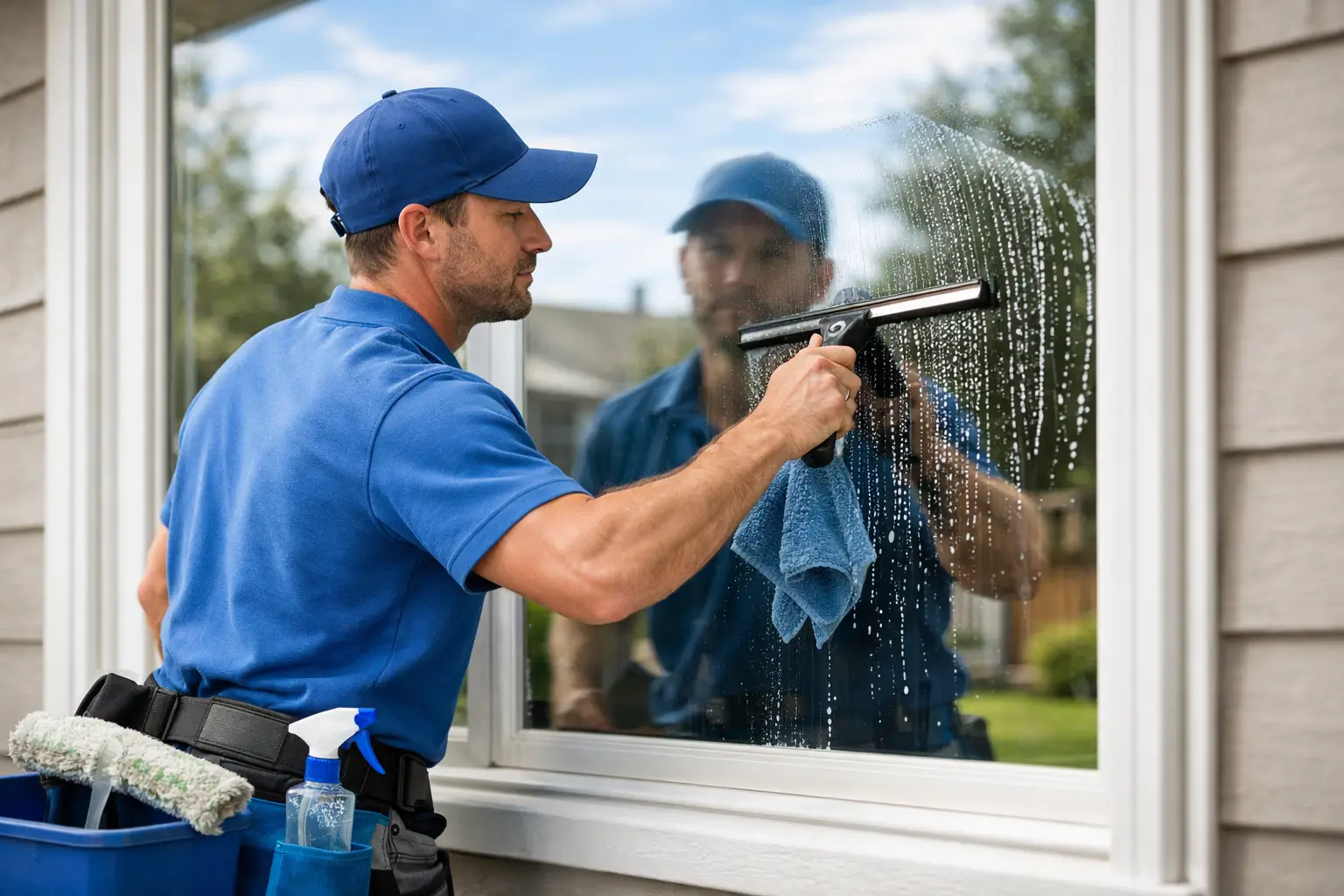
Residential Window Cleaning Guide for Homeowners
You can mow the lawn, edge the walk, and sweep the porch, but if the glass is hazy, the whole house still looks a little off. A good residential window cleaning guide helps homeowners get better results without wasting a Saturday fighting streaks, missed corners, and dripping screens.
Clean windows do more than improve curb appeal. They let in more natural light, make rooms feel sharper, and help you spot issues like damaged seals, hard water staining, or screen wear before they get worse. For many homeowners, the challenge is not whether windows should be cleaned. It is knowing how to clean them well, how often to do it, and when it makes more sense to call in a professional.
What a residential window cleaning guide should actually cover
A useful guide is not just a list of supplies. It should help you understand the difference between light dust, stuck-on grime, pollen buildup, mineral spots, and true glass staining. Those are not all cleaned the same way, and treating them like they are usually leads to frustration.
It should also separate inside glass from outside glass. Interior windows often collect fingerprints, pet nose marks, cooking residue, and regular household dust. Exterior glass deals with rain spotting, pollen, spider webs, insect debris, and whatever the wind decides to throw at your home. That matters because the tools, timing, and level of effort can change quite a bit.
Start with the right conditions
One of the most common mistakes is cleaning windows in direct sun. Warm glass makes cleaning solution dry too fast, which leaves streaks and drag marks before you can finish. A mild, cloudy day is usually best, especially for the outside.
Wind is another problem homeowners do not always think about. If you are working with screens removed, handling ladders, or spraying upper windows, a breezy day can turn a simple job into an annoying one fast. If conditions are not cooperating, waiting a day can save a lot of work.
The tools that make the biggest difference
You do not need a truck full of equipment to clean residential windows well, but a few basics matter. A good squeegee is the big one. Paper towels and standard household rags often leave lint behind, and that lint gets mistaken for dirt or streaking.
Microfiber cloths are useful for detailing edges and wiping frames. A soft scrubber or applicator helps loosen dirt before squeegeeing. A bucket, a gentle cleaning solution, and a stable step ladder for reachable areas also belong in the setup. If your windows are high, awkward, or above landscaping, that is where the job can shift from manageable to risky.
The solution itself does not need to be fancy. In many cases, a simple mix made for glass cleaning works better than overloading the window with soap. Too much product can leave residue behind, and residue is a big reason windows look cloudy again soon after cleaning.
How to clean windows without chasing streaks
If you want the best result, start by dusting or brushing loose dirt from the frame, sill, and screen area. If you skip that step, dirt gets pulled onto the glass once water hits it. That turns a cleaning job into a muddy mess.
Apply your cleaning solution evenly, then loosen dirt with a scrubber or soft applicator. After that, use the squeegee with steady pressure from top to bottom or side to side, depending on the window shape and what feels more controlled. Wipe the blade often. A dirty rubber edge just spreads grime around.
The last step is detail work. Use a dry microfiber cloth to clean the edges, corners, and any remaining drips near the frame. Most streak complaints come from those final missed areas, not the middle of the pane.
Screens, tracks, and frames matter more than people expect
Even perfectly cleaned glass can look unfinished if the screen is dusty or the track is full of buildup. Homeowners often focus only on the pane, but the surrounding parts affect the whole appearance.
Screens should be removed carefully and brushed or rinsed clean before going back in. Tracks can collect dead insects, dirt, leaves, and moisture. If they are left packed with debris, windows can stick, drains can clog, and fresh glass ends up looking dirty again quickly. Frames also benefit from a wipe down, especially on windows that face traffic, trees, or sprinkler spray.
How often should residential windows be cleaned?
That depends on the home and the surroundings. A house near open fields, active roads, heavy pollen, or hard water sprinkler exposure will usually need more attention than one in a more protected setting. Many homeowners do well with exterior cleaning twice a year and interior cleaning as needed, but that is a baseline, not a rule.
If you notice a dull appearance from inside even on bright days, that is usually your sign. Another clue is when rain no longer rinses the window clean but instead leaves spotting behind. Once grime starts bonding to the surface, the job gets harder and the result gets less predictable.
In places like Bettendorf and nearby communities, seasonal changes can also play a role. Spring pollen, summer storms, and fall debris all affect exterior glass in different ways. Homes with a lot of large front-facing windows usually benefit from a more regular schedule simply because the visual impact is so obvious.
When DIY works – and when it does not
For ground-level interior glass and easy-to-reach exterior windows, many homeowners can get decent results on their own. If the windows are newer, lightly soiled, and easy to access, a careful DIY approach can be enough.
But some jobs stop being practical fast. Second-story windows, glass above roofs or flower beds, divided panes, hard water staining, and neglected tracks all add time and difficulty. Safety is the bigger issue. A ladder set on uneven ground or over landscaping is not worth the risk just to save a service call.
There is also the quality side of it. Homeowners often spend hours cleaning windows only to see haze in the afternoon light. That usually comes down to technique, water quality, residue, or worn tools. Professional service is less about making the job look easy and more about getting consistently clear results without the trial and error.
Common window cleaning problems and what causes them
If your windows still look bad after cleaning, there is usually a reason. Streaking often means too much solution, dirty tools, or glass drying too quickly. White spots may be mineral deposits from hard water rather than regular dirt. Hazy glass can sometimes point to failed seals inside double-pane windows, which cleaning will not fix.
Scratches are another issue homeowners should watch for. Anything abrasive, including the wrong pad or trapped debris in a cloth, can mark the surface. That is why gentle tools and clean water matter. More pressure is rarely the answer.
Windows that seem to get dirty again immediately may actually have dirty screens, frames, or nearby sprinkler overspray. In those cases, the glass is only part of the problem. Cleaning the whole window area gives a better and longer-lasting result.
Why professional window washing is different
Professional window washing is not just a faster version of DIY. It combines better equipment, safer access methods, and the experience to spot what is cleanable and what is permanent damage. That saves homeowners from chasing a result that may not be possible with household tools.
It also saves time where it counts. For busy homeowners, especially those managing a larger home or multiple exterior maintenance tasks, having a trained and insured crew handle the windows can be the simplest way to keep the property looking sharp without interrupting the week.
That is especially true when windows are part of a bigger appearance issue. Clean glass stands out more when the surrounding exterior is also maintained, but the windows themselves often make the fastest visual difference. When they are clear, the whole house looks better cared for.
A simple standard to aim for
If you are cleaning your own windows, the goal is not perfection on the first pass. It is clear glass, clean edges, and a finish that still looks good in full daylight. If that sounds easy and keeps turning into a half-day project, that tells you something too.
For homeowners who want dependable results without the hassle, Diamond Window Washing helps homes in Bettendorf and nearby areas keep their glass clean, bright, and streak-free. If your windows are due for attention, now is a good time to get them back to looking the way they should.